Understanding West Nile Virus in the Netherlands
West Nile Virus (WNV), a mosquito-borne illness, is present in the Netherlands. While most people infected experience no symptoms or only mild ones, like a common cold, some, particularly older people or those with weakened immune systems, can develop more serious illnesses. Don't worry – the risk remains low, but understanding how it spreads and taking precautions is crucial. Think of it like this: we all get the odd scratch, but sometimes it needs a plaster, and very rarely, it needs a doctor's attention.
Is it worth being prepared? Absolutely! Even a small risk justifies smart preventative measures, particularly for vulnerable individuals. The good news is that these measures are simple and effective.
How West Nile Virus Spreads: The Mosquito Link
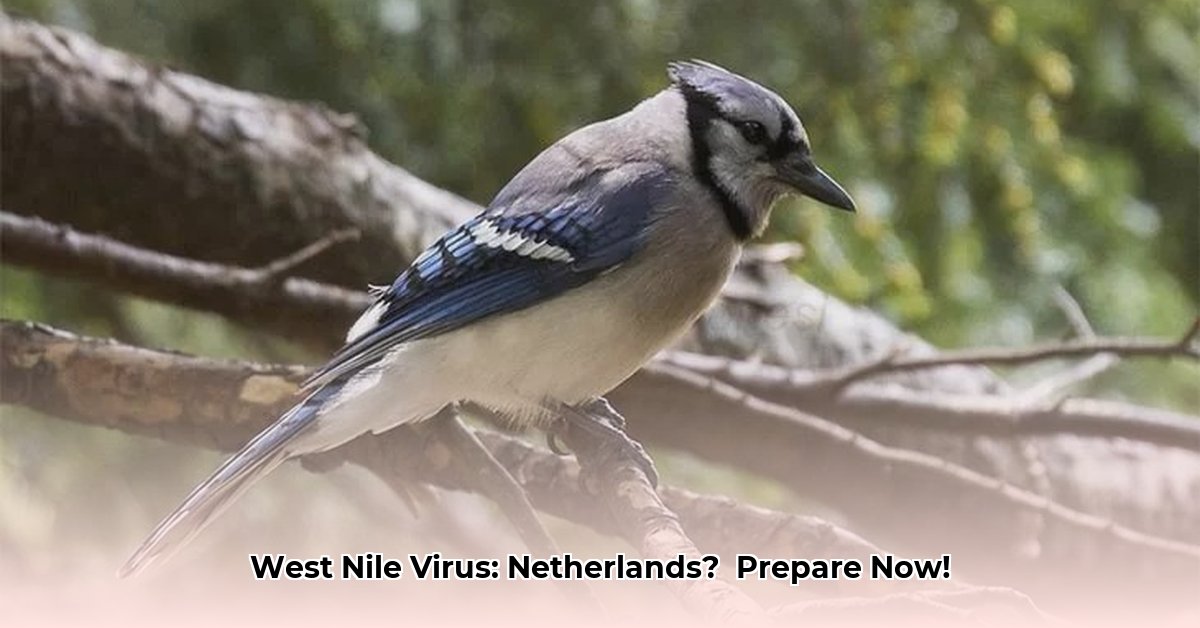
The primary way WNV spreads is through the bite of an infected Culex pipiens mosquito. These mozzies pick up the virus from infected birds and then transmit it to humans. It's a straightforward process. So, understanding mosquito behaviour is key to prevention. The chances of catching WNV are directly linked to mosquito numbers and their bite frequency.
Who's at Higher Risk?
While anyone can be infected, certain groups are more vulnerable to severe symptoms. These include people aged 50 and above and those with weakened immune systems, such as those living with HIV or cancer. Pregnant women should also exercise extra caution. It's important to remember that this increased risk doesn't mean guaranteed illness—just heightened awareness and a need for heightened precautions.
Protecting Yourself: Practical Steps for a Worry-Free Summer
Here's a step-by-step guide to significantly reduce your risk of WNV infection:
Repel Mosquitoes: Use a repellent containing DEET, picaridin, IR3535, or oil of lemon eucalyptus. Apply liberally to exposed skin, following product instructions. This simple step offers substantial protection.
Dress for Protection: During dawn and dusk (peak mosquito activity), wear long sleeves, long trousers, and socks. Light-coloured clothing is less attractive to mosquitoes.
Mosquito-Proof Your Home: Keep windows and doors secure with tightly fitting screens to prevent mosquitoes from entering. This low-effort method keeps the mozzies out.
Eliminate Breeding Grounds: Eliminate stagnant water around your property. Empty flowerpots, birdbaths, and any containers holding water regularly. This simple act disrupts mosquito breeding cycles.
Stay Informed: Regularly check the National Institute for Public Health and the Environment (RIVM) website for updates on WNV activity in your area. This proactive approach ensures you stay informed about local WNV cases; knowledge is power.
What to Do If You Suspect an Infection
If you experience symptoms like a high fever, severe headache, stiff neck, muscle aches, confusion, or a rash, seek medical attention immediately. Early diagnosis and treatment are crucial for a better outcome. Don't delay; it's always best to err on the side of caution.
The Broader Picture: Climate Change and WNV
Rising temperatures are expected to increase mosquito populations and extend their breeding seasons, potentially increasing WNV prevalence in the future. It’s more vital than ever to stay informed and to regularly adopt preventative measures.
Key Takeaways: Staying Safe and Healthy
- Low risk, high reward: WNV poses a low risk in the Netherlands, but simple preventative measures significantly reduce that risk.
- Mosquitos are the vector: The primary spread is through infected mosquitoes.
- Protect yourself, protect your family: Simple actions can safeguard you and your loved ones.
- Stay informed: Regular monitoring and proactive measures are essential for minimising the risk.
Remember, while WNV is present, proactive prevention makes a real difference. By taking these simple steps, you can significantly reduce your risk and enjoy a worry-free summer! Stay safe!